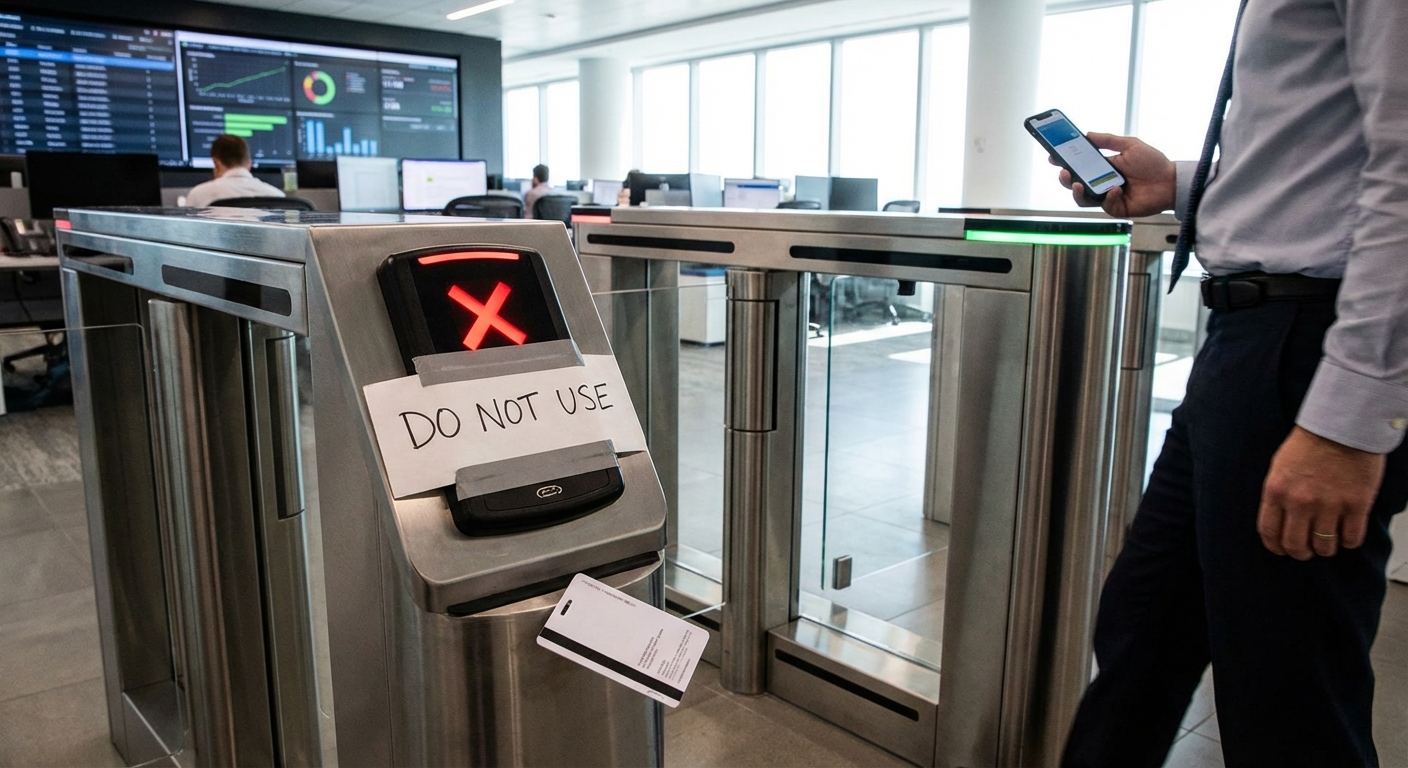
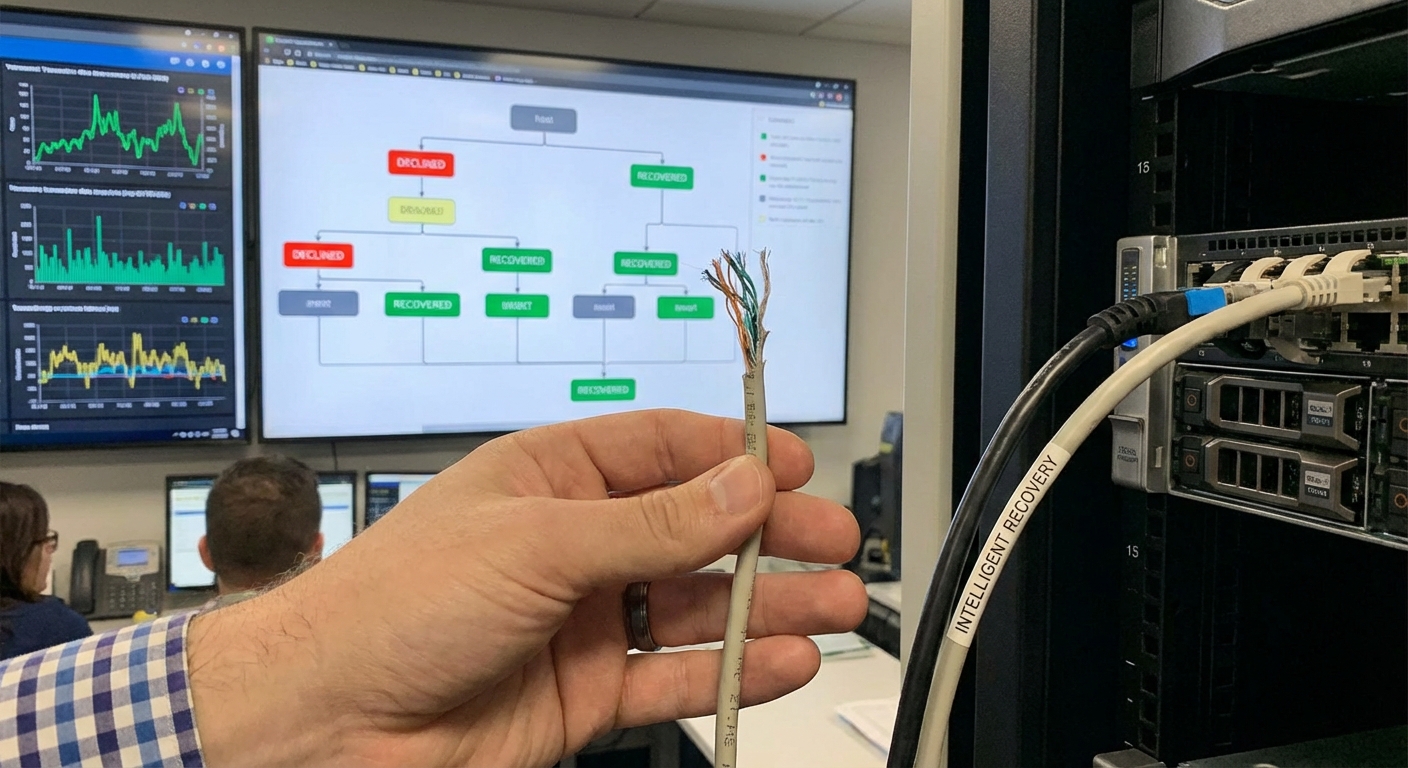
Account Updater is a service provided by major Card Network that automatically updates vaulted credit and debit card details when they change. This background process ensures merchants always have the most current primary account numbers and expiration dates. By maintaining accurate credential data, businesses can prevent preventable transaction failures and maintain seamless recurring billing cycles.
The service functions as a data synchronization tool between card Card Network, payment networks, and merchant payment gateways. It operates quietly within the broader payment processing flow, identifying and updating outdated payment methods before the next charge occurs. For businesses relying on recurring revenue, this automation directly reduces payment declines and protects ongoing customer relationships without requiring manual intervention.
What causes the need for Account Updater?
Customers frequently replace their credit and debit cards for highly predictable reasons. Cards naturally reach their expiration dates, get lost, or are replaced due to suspected fraud. When a cardholder activates their new physical card, the vaulted payment credentials stored by their favorite merchants immediately become obsolete.
If a merchant attempts to charge the old card details, the bank will return an unfavorable issuer response indicating the account is invalid. Without a mechanism to refresh these credentials, the transaction will fail. This creates friction for the buyer and leads to unnecessary payment failures for the business.
How does the Account Updater process work?
The updating mechanism relies on constant communication between the banks that issue cards and the major Card Network like Visa and Mastercard. When a new card is issued, the flow generally follows a specific sequence.
- The issuing bank pushes the new card details to the card network directory, linking the old primary account number to the new one.
- A merchant gateway or payment processor submits a secure request to the network, asking if any vaulted cards on file have been updated.
- The network replies with the fresh account numbers, new expiration dates, or notifications of closed accounts.
- The merchant payment vault updates the saved customer profile automatically.
- The next time a scheduled charge runs, the system uses the new credentials, resulting in a successful payment transaction.
Where does Account Updater appear in payment flows?
Historically, this service operated purely as a batch process. Merchants or their payment processors would send a bulk file of saved cards to the network days before a scheduled billing cycle. The network would return the updated file, and the merchant would update their database prior to initiating charges.
Today, many networks and processors support real-time updating functionality. Instead of relying on a proactive batch file, the update happens in milliseconds during the actual transaction. If a card decline message is imminent due to outdated credentials, the network intercepts the request, swaps in the new details, and forwards the correct information to the issuer for approval.
Why does this matter for subscription businesses?
Companies that rely on recurring revenue models are highly vulnerable to involuntary churn. This occurs when a customer genuinely wants to continue using a service, but their account gets suspended due to subscription payment issues. If a business relies on the customer to manually log in and type out a new card number, a large percentage of those customers will simply abandon the service.
By automating credential maintenance, merchants protect their baseline revenue. Updating cards in the background keeps the customer experience frictionless. It also saves the merchant money, as attempting to charge invalid cards often incurs network processing fees regardless of the outcome.
How does this relate to broader payment optimization?
While card updating services are highly effective, they are not a perfect safety net. Not all global issuing banks participate in these network programs, and prepaid cards or certain regional debit networks often fall outside the coverage area. This means merchants will still encounter declines even with an updating service active.
When updated credentials are not available, merchants must rely on secondary strategies. Platforms like SmartRetry focus on intelligent retry logic handling of declined payment transactions, helping merchants recover revenue and improve transaction Approval Rate. By combining proactive credential updates with smart post-decline retry logic, businesses can maximize their overall collection efforts.
Account Updater vs Network Tokenization
Payment professionals often compare traditional updating services with network tokenization. While both aim to keep payment data fresh and secure, their underlying mechanics differ significantly.
Traditional updating services maintain raw primary account numbers and expiration dates stored in a secure vault. Network tokenization replaces the raw card number with a unique cryptographic token issued directly by the card brand.
Network tokens inherently possess lifecycle management capabilities. If a bank reissues a physical card, the network automatically updates the underlying mapping to the existing token. The merchant simply continues charging the same token, making batch updating processes unnecessary for those specific transactions. However, because network tokenization is not yet universally adopted by all issuers, merchants typically run both systems in parallel to ensure maximum coverage.