Floor limit refers to the maximum transaction amount a merchant can process without requiring electronic authorization from the card issuer. Historically used in card present environments to keep checkout lines moving, it allows small transactions to be approved offline. If a purchase exceeds this predefined threshold, the merchant must obtain direct authorization to avoid liability for payment failures.
A floor limit is a predetermined financial threshold that dictates whether a transaction can be approved locally by the point-of-sale system or if it requires real-time authorization from the issuing bank. While originally designed for physical retail environments to manage offline processing, the concept still appears in modern payment systems handling transit taps, inflight purchases, and specific fallback modes. Understanding these limits matters for merchants because balancing offline approvals against the risk of a payment decline later is critical for maintaining high transaction approval rates and minimizing operational losses.
What is a floor limit?
Before high-speed internet became standard at the checkout counter, securing a payment authorization for every single purchase was incredibly slow and expensive. Merchants had to rely on dial-up connections or manual voice authorizations, which created massive bottlenecks. To solve this, card networks established floor limitspayment decline codes.
A floor limit gave merchants permission to accept payments below a specific dollar amount without contacting the issuer in real time. The terminal simply recorded the card details and the purchase amount. At the end of the day, the merchant would send all of these offline transactions to their acquirer in a single batch.
Today, high-speed connectivity means almost all transactions are authorized instantly. However, the concept of offline processing limits remains highly relevant in environments where internet connectivity is unstable or where transaction speed is the absolute highest priority.
How does a floor limit work in a payment processing flow?
When a merchant utilizes a floor limit, the decision to approve or decline the purchase temporarily shifts from the issuing bank to the merchant’s local payment terminal.
Here is a step-by-step look at how this operates in a typical payment processing flow:
- The customer presents a credit or debit card for a purchase.
- The payment terminal reads the card data and checks the transaction total against its configured limit.
- If the amount is below the limit, the terminal immediately approves the sale locally and stores the transaction data.
- If the amount is above the limit, the terminal must connect to the payment network to request a real-time authorization from the issuing bank.
- Later, the merchant batches out their terminal, sending all the locally approved transactions to the acquiring bank for clearing and settlement.
- During this final step, the issuer reviews the offline transactions. If an account lacks sufficient funds or has been closed, the issuer will return a transaction declined response, leaving the merchant unpaid.
Where do floor limits appear in modern payments?
While standard retail stores no longer rely on offline approvals, several specialized industries still depend heavily on them to prevent checkout issues.
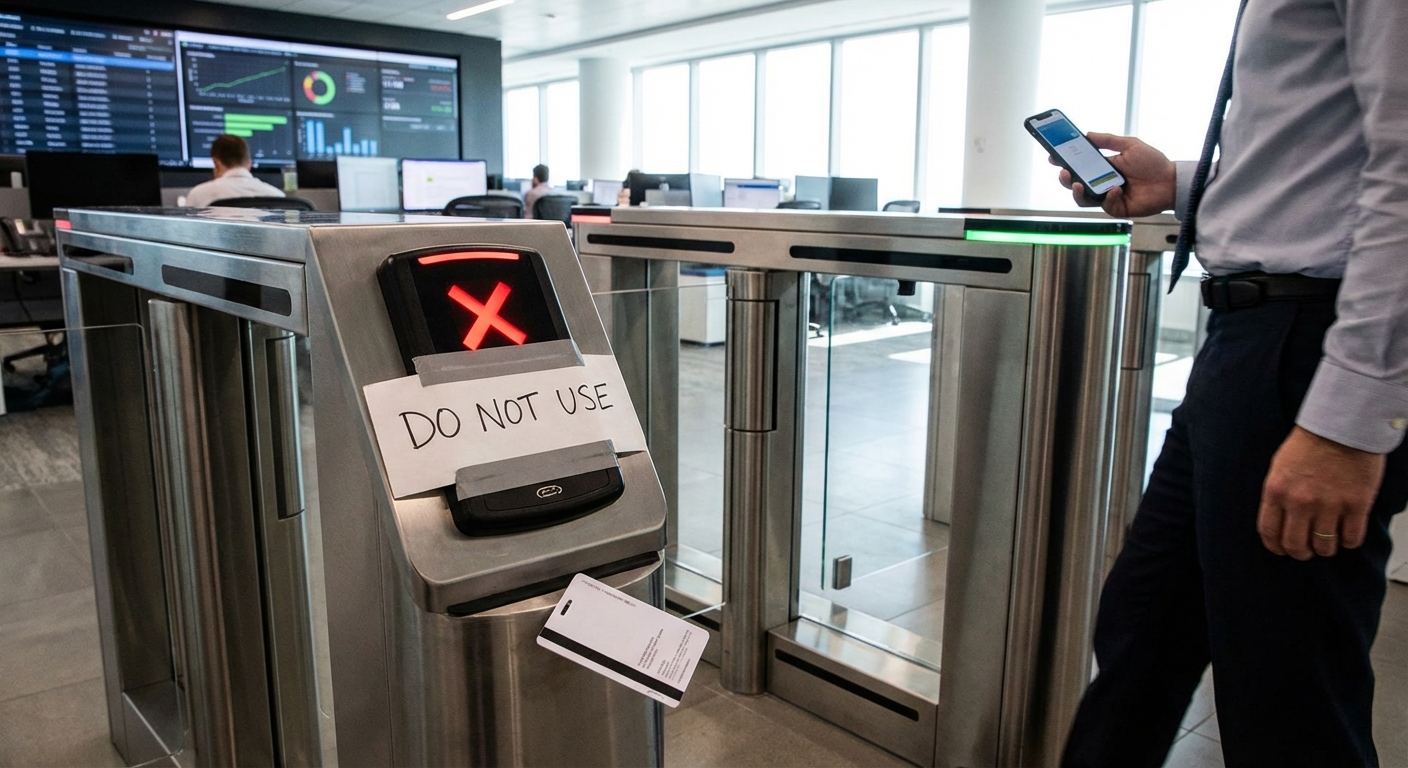
Public transit systems are the most common modern example. When a commuter taps a card on a subway turnstile, the system needs to open the gate in milliseconds. Waiting for a real-time network response would cause massive crowd congestion. Instead, transit authorities use specialized limits to locally approve the tap, letting the rider through while the actual payment authorization happens asynchronously in the background.
Airlines also rely on this mechanism for inflight purchases. Because airplanes often lack stable, high-speed connections to payment networks, flight attendants use offline-capable terminals. The terminal records the drink or Wi-Fi purchase, and the transactions are processed in a batch once the aircraft lands and reconnects to a cellular network.
Additionally, some brick-and-mortar merchants configure offline fallback limits. If their internet connection drops or the acquiring network experiences an outage, the terminal can automatically switch to offline mode. This allows the business to keep accepting small payments until connectivity is restored.
Why do floor limits matter for merchants?
For payment teams and merchants, utilizing offline limits is a calculated risk. It represents a direct trade-off between customer experience and financial liability.
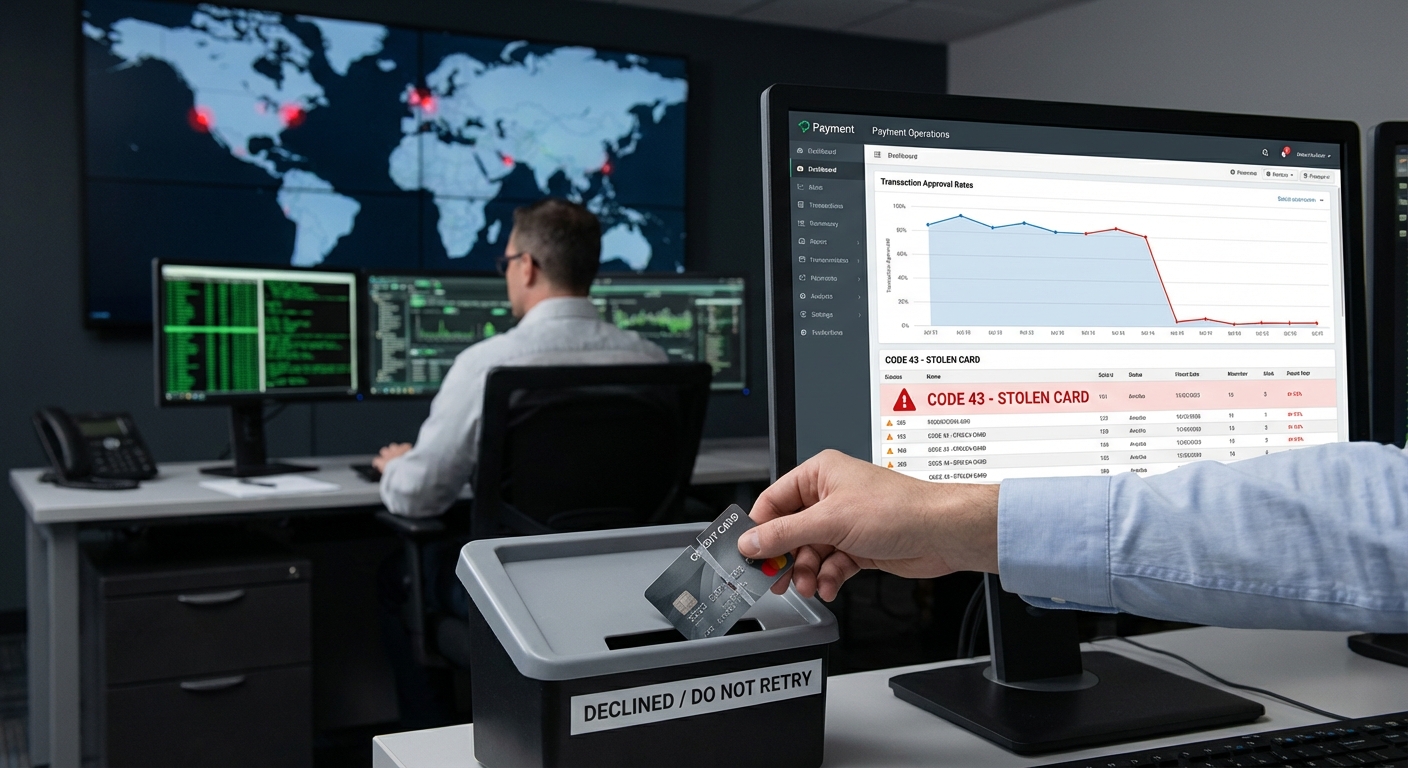
When a merchant accepts a payment below the limit without real-time authorization, they assume the risk of that transaction. If the card is expired, reported stolen, or lacks funds, the merchant will experience a transaction declined status hours or days after the customer has already left with the goods. In these offline scenarios, the merchant generally bears the financial loss.
However, refusing to process any offline transactions during a network outage can result in entirely lost sales and severe customer frustration. Payment teams must carefully analyze their risk profile and historical fraud rates to determine if configuring an offline fallback threshold makes financial sense for their specific operational environment.
Floor Limit vs Zero Floor Limit
In modern payment terminology, you will frequently hear the term “zero floor limit.” This simply means that a merchant is required to obtain real-time authorization for every single transaction, regardless of how small the purchase amount is.
Almost all e-commerce transactions operate under a zero floor limit. Because the merchant cannot physically verify the card or the customer, the risk of fraud is significantly higher. Therefore, payment gateways and networks require digital merchants to validate the card electronically before finalizing any order.
Physical retail environments are also overwhelmingly moving toward zero floor limits as contactless payments and digital wallets become the standard. Because tokenized payments require network interaction to authenticate the cryptogram, immediate authorization is heavily preferred over delayed batching.
How do platforms handle delayed transaction failures?
When merchants rely on offline approvals, they inevitably face delayed payment issues once the batches are finally submitted to the network. An inflight terminal or a subway turnstile might let a customer pass, but the underlying payment can still fail hours later.
When these offline transactions are finally processed, merchants need a strategy to handle the resulting declines. This is where advanced payment infrastructure becomes essential. Instead of simply accepting the loss, operations teams must gracefully retry failed payments to maximize their recovered revenue.
A platform focused on payment optimization and intelligent retries of declined payment transactions, helping merchants recover revenue and improve transaction approval rates, is vital in these scenarios. Why Card Declines Happen and How Intelligent Recovery Protects Revenue, for example, evaluates the underlying issuer response codes from these delayed failures. By understanding exactly why the issuer rejected the delayed transaction, a smart retry system can schedule a subsequent authorization attempt at the optimal time, recovering funds that would otherwise be written off as a loss.