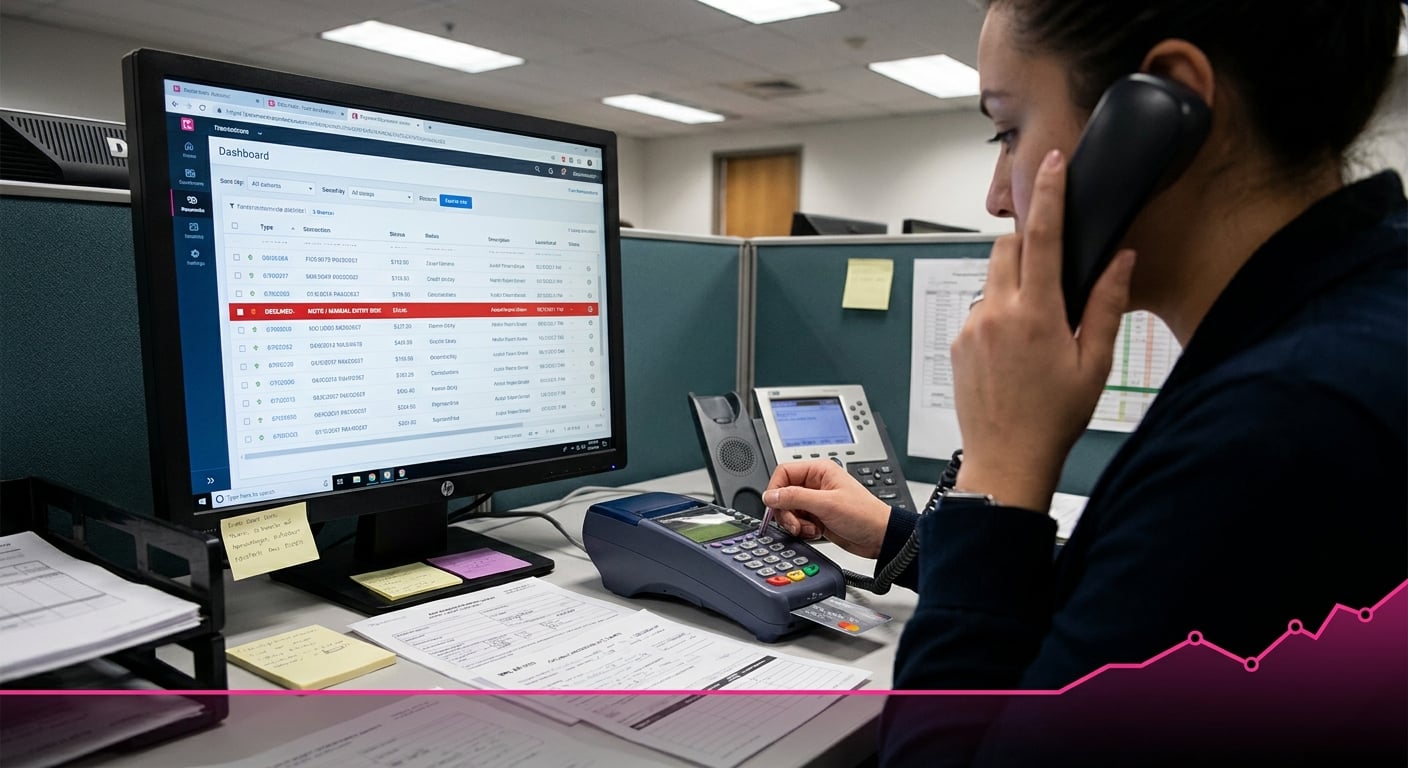
MOTO stands for Mail Order / Telephone Order, a type of payment transaction where the customer provides their credit card information to a merchant via mail, email, or over the phone. Because the physical card is not physically present and the customer does not interact with a digital checkout page, these payments require specific indicators during processing.
MOTO is a card not present payment method that allows businesses to process transactions using payment details collected over the phone or through written communication. These transactions appear in the payment processing flow when a merchant manually enters the card data into a virtual terminal or payment gateway. While highly convenient for certain business models, MOTO transactions carry unique fraud risks and distinct issuer rules, making them a critical factor when managing payment issues and overall authorization performance.
What is a MOTO transaction?
A MOTO payment occurs when a business takes an order remotely but without the use of a traditional online shopping cart. The merchant acts as the intermediary, collecting the cardholder data and submitting it to the payment network on the customer’s behalf.
This differs from standard e-commerce, where the cardholder types their own details into a secure web form. Because the merchant handles the sensitive data directly, payment networks require these transactions to be flagged specifically to ensure accurate payment authorization and risk assessment.
Historically, this method was built for catalog businesses and telephone call centers. Today, it remains a vital operational tool for any business that accepts manual orders, processes invoices over the phone, or handles remote reservations.
How does a MOTO payment flow work?
The mechanics of processing a mail or telephone order involve manual intervention and specific network routing. Here is the typical step-by-step sequence:
- Customer data collection: The customer reads their card number, expiration date, and security code over the phone or writes it on a secure paper form.
- Manual entry: A merchant representative types this information into a secure virtual terminal or a gateway dashboard provided by their payment processor.
- Flagging and routing: The payment gateway formats the request, attaching a dedicated MOTO indicator before sending the payload to the acquiring bank and the card network.
- Issuer evaluation: The customer’s bank reviews the request. The bank relies heavily on Address Verification Service and card security codes since standard digital fraud signals are completely absent.
- Final issuer response: The bank returns an approved status or a rejection code back through the network to the merchant’s terminal.
Where do MOTO transactions appear in modern payment systems?
From an operational perspective, wholesale orders, hospitality reservations, catering services, and B2B billing desks frequently rely on telephone orders. Even hybrid retail businesses will occasionally take a phone payment to secure a custom order or reserve specialty inventory.
In a technical context, engineers and product managers encounter MOTO as specific API parameters. Payment gateways require developers to pass dedicated fields, often categorized as Mail/Telephone Order indicators or specific Electronic Commerce Indicator values, depending on the card network.
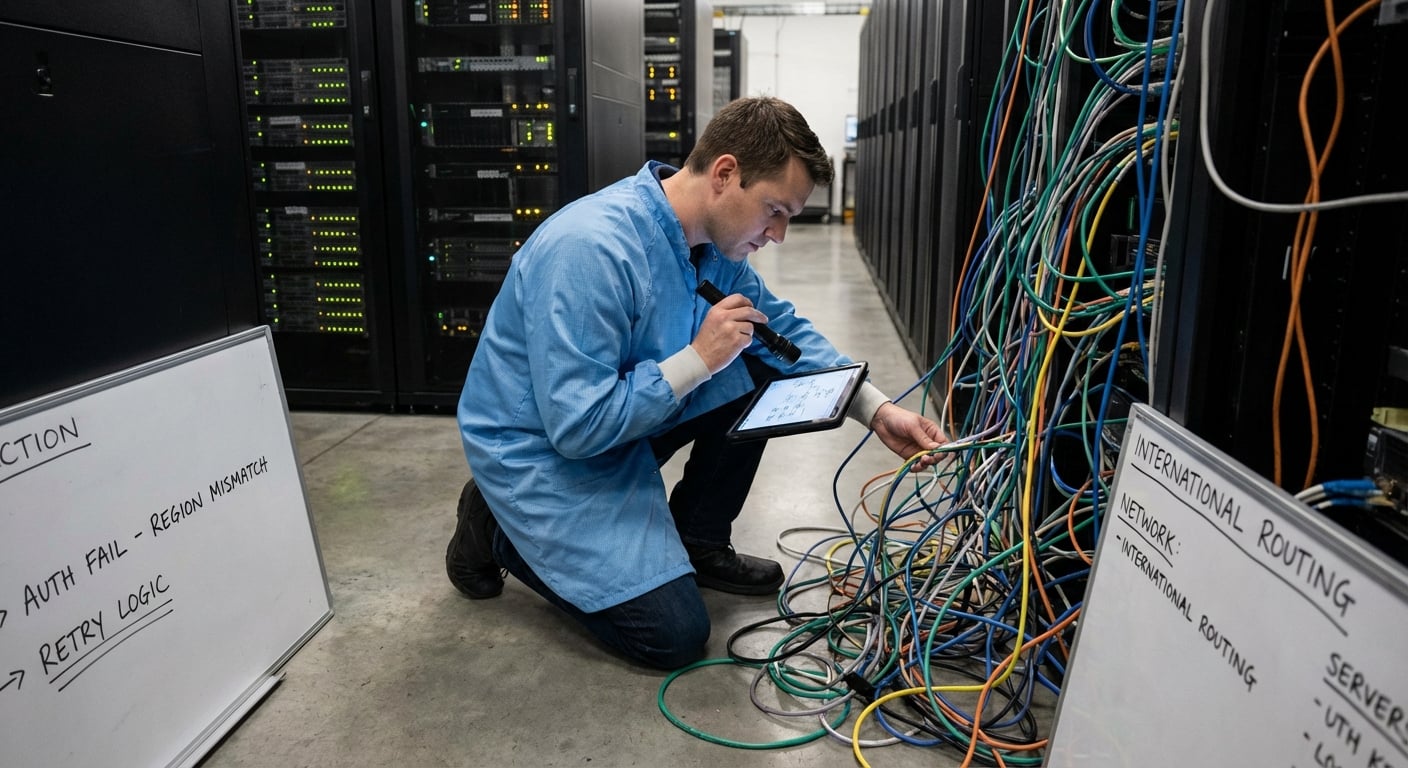
If a merchant processes a phone order but flags it as a standard e-commerce transaction, it can trigger immediate authorization failures. Issuers expect the transaction type to match the actual payment environment, and data mismatches are heavily penalized in modern network risk models.
Why do MOTO transactions matter for merchants?
Processing telephone or mail orders comes with direct operational trade-offs involving cost, risk, and approval consistency. Because the merchant enters the data and the cardholder is not verified via digital authentication tools, the risk of fraud and chargebacks is inherently higher.
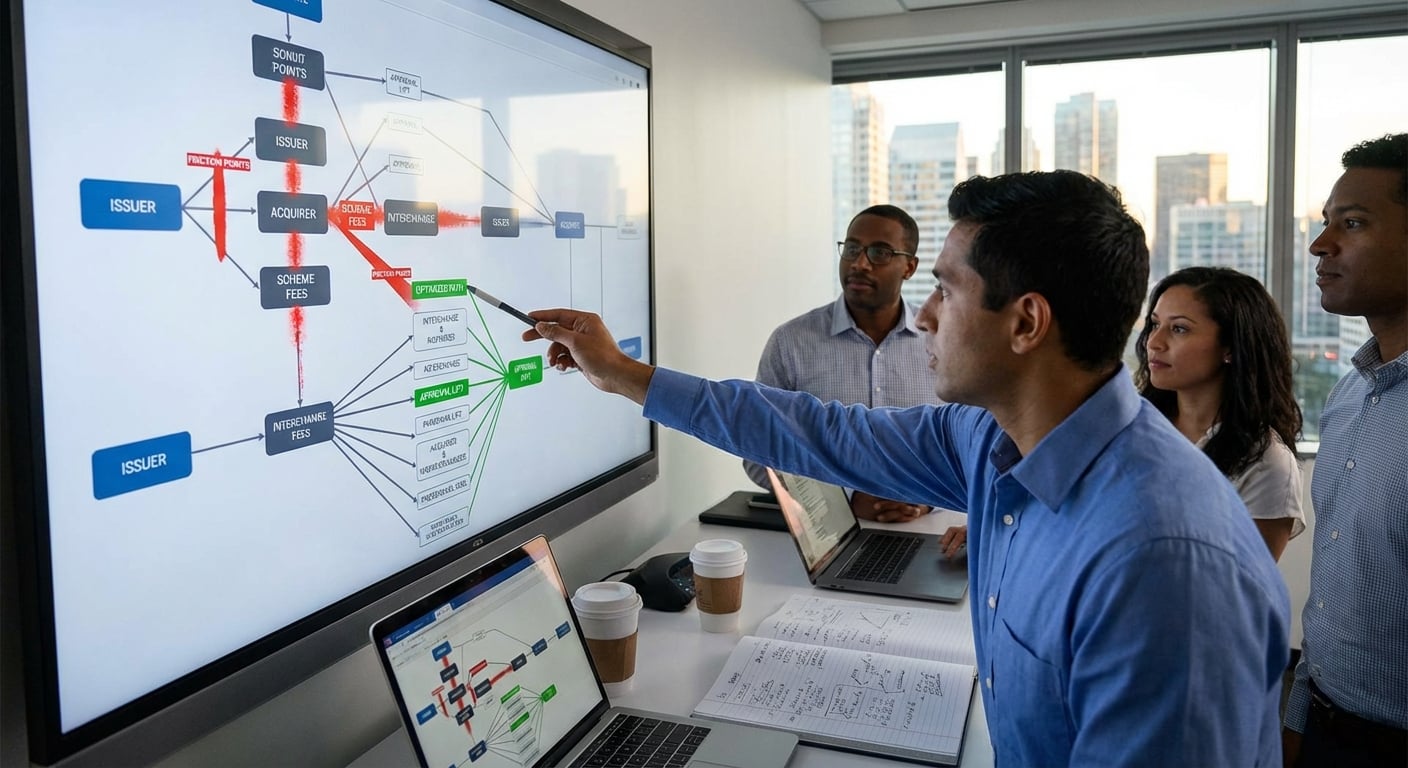
Consequently, interchange classify these as higher-risk transactions. This classification typically results in higher interchange fees compared to physical card-present payments. Merchants must factor these distinct processing costs into their margins when operating call centers or accepting remote manual payments.
Additionally, merchants tracking their Merchant Discount Rate often notice that MOTO payments perform differently than online checkout flows. Issuers apply stricter risk thresholds to these manual payments, which can increase the frequency of a rejection if the billing address details do not match the bank’s records perfectly.
How can businesses manage declined MOTO payments?
When a bank rejects a telephone or mail order transaction, merchants must decide how to proceed carefully. Blindly attempting to charge the card again can lead to additional gateway fees and negatively impact the merchant’s standing with the card networks.
To effectively mitigate failed authorizations, businesses need an intelligent approach to analyzing the exact payment decline codes. Some soft declines, such as temporary network holds or minor timeouts, might succeed if attempted a few hours later. Conversely, hard declines require the merchant to contact the customer for alternative payment details.
Platforms like SmartRetry specialize in payment optimization by analyzing complex decline patterns across all transaction types. By leveraging intelligent routing and deciding exactly when to retry failed payments, merchants can successfully navigate the complexities of remote orders, helping them recover revenue without risking network penalties.
MOTO vs E-commerce: What is the operational difference?
While both are considered Card Not Present transactions, they represent completely distinct processing environments. E-commerce payments are customer-initiated. The buyer interacts directly with a payment page, allowing the merchant to collect rich digital footprint data, IP addresses, and device fingerprints.
Conversely, MOTO payments are merchant-initiated. The buyer is absent from the digital environment. As a result, e-commerce transactions can utilize authentication protocols like 3D Secure to shift liability for fraud away from the merchant and onto the card issuer. Telephone and mail orders cannot use 3D Secure, leaving the merchant fully liable for any fraudulent chargebacks.
Understanding this distinction is critical for payment teams. Properly segregating and flagging these transaction types ensures compliance with network rules, minimizes unnecessary processing fees, and maximizes the chances of a successful authorization. For a deeper dive into payment acceptance costs and how merchants can manage them, see Merchant Discount Rate Explained: How Payment Teams Can Reduce Costs and Improve Approvals.