Offline authorization is a payment approval process where a point-of-sale terminal accepts a transaction locally without establishing a real-time connection to the issuing bank. This method relies on pre-set risk parameters embedded within an EMV chip to safely navigate potential payment issues. The merchant then queues the data into the broader payment processing flow once network connectivity is restored.
Offline authorization allows merchants to continue accepting payments in environments with poor connectivity or where transaction speed is critical, such as transit systems or airplanes. It appears during the initial point-of-sale interaction when the terminal and the card’s chip negotiate risk limits locally rather than querying the issuer. Operationally, this practice prevents checkout issues and keeps queues moving but transfers the financial risk of a later transaction declined response directly to the merchant.
What is offline authorization?
In a standard payment authorization, the merchant terminal sends an immediate request through the card network to the customer’s issuing bank. The issuer evaluates the account balance, checks for fraud signals, and returns an immediate approval or decline message.
Offline authorization intentionally bypasses this real-time communication. Instead, the payment terminal and the customer’s EMV chip securely communicate directly with each other. Because modern EMV chips function as miniature computers, they can evaluate local rules to decide whether the payment should be approved without outside input.
If the transaction meets all the necessary safety criteria, the terminal grants a local approval. The actual transaction data is securely stored on the device and forwarded to the payment processor later, usually in a daily batch process or whenever an internet connection becomes available.
How does the offline payment processing flow work?
The mechanics of an offline approval rely heavily on risk management logic programmed into the EMV chip by the issuing bank. When a customer inserts or taps a card, the transaction follows a highly specific sequence of local checks.
- Terminal assessment: The point-of-sale device first checks its own internal configuration. It reviews parameters like floor limits, which dictate the maximum currency amount the terminal is permitted to approve offline.
- Card risk checks: The EMV chip evaluates its own offline counters. These counters track metrics such as how many consecutive offline transactions the card has performed, or the total currency amount spent offline since the card last made a successful online connection.
- Cryptographic approval: If both the terminal and the chip agree that the transaction is within acceptable risk limits, the chip generates a unique cryptographic certificate. This validates that the card is genuine and approves the purchase.
- Deferred submission: The terminal stores the approved transaction. Later, the merchant submits the batch of stored records to their acquiring bank for standard clearing and settlement.
Where do offline authorizations appear in practice?
You will rarely encounter this mechanism in standard retail environments where high-speed internet connections are reliable. However, it serves as a critical infrastructure feature in highly specialized settings where waiting for an authorization issuer response is impractical.
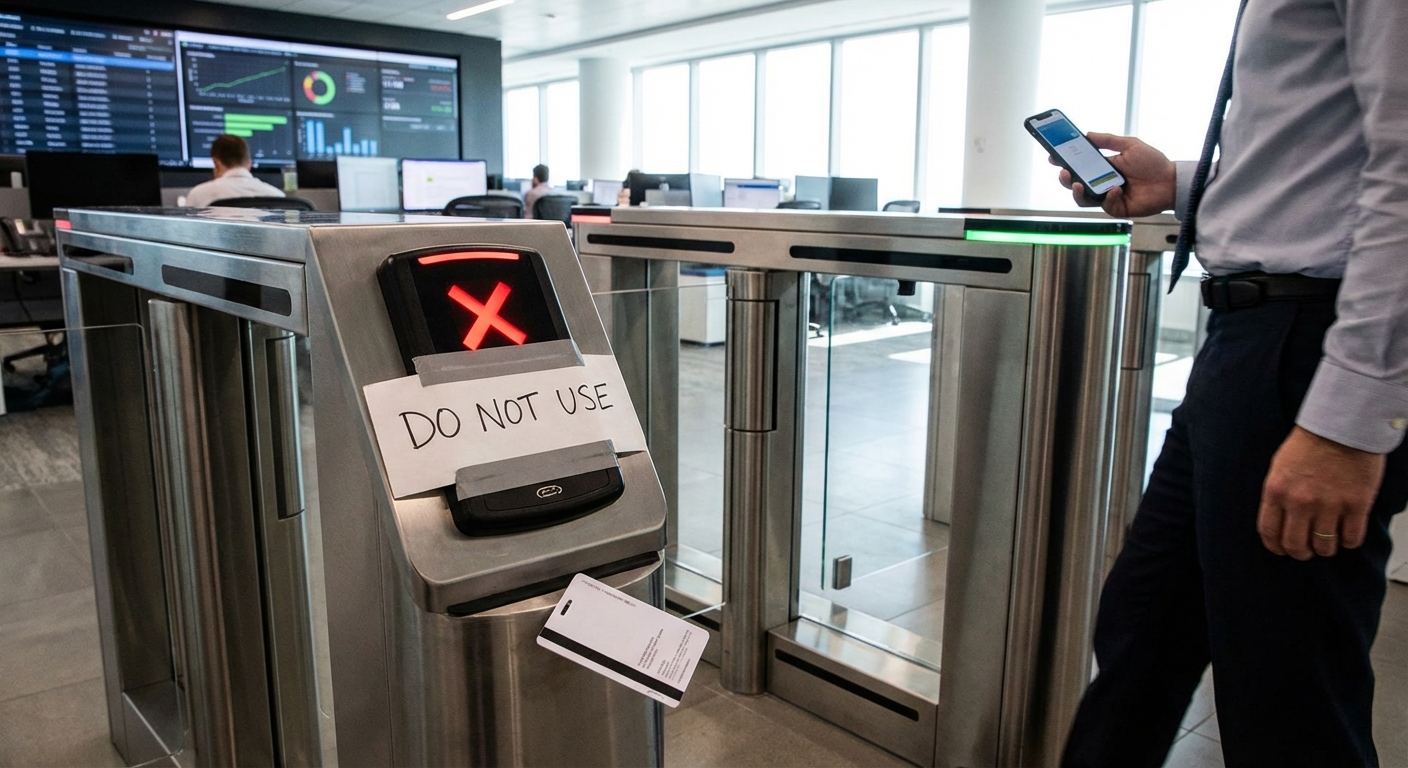
Transit networks are the most common users of this method. When a commuter taps a contactless card at a busy subway turnstile, waiting for a standard online authorization would cause severe bottlenecks. Approving the tap locally ensures rapid throughput during rush hour.
In-flight purchases on airplanes also depend heavily on this flow. Maintaining constant, real-time satellite links to payment networks for every passenger purchase is both slow and prohibitively expensive.
Additionally, merchants operating in remote areas, at outdoor festivals, or during unexpected localized network outages rely on offline fallback configurations to avoid catastrophic payment failures and keep their businesses running.
Why does offline authorization matter for merchants?
The primary advantage of offline processing is operational resilience. It ensures that businesses can continue serving customers seamlessly even when external communication infrastructure fails. However, this convenience comes with a significant trade-off regarding financial liability.
When a terminal approves a transaction offline, the merchant accepts the risk that the payment might ultimately fail during the later settlement phase. Because the issuing bank was not consulted in real time, the merchant might eventually receive a card declined notification due to insufficient funds, an expired card, or a blocked account. By the time this decline occurs, the customer has already received the goods or services.
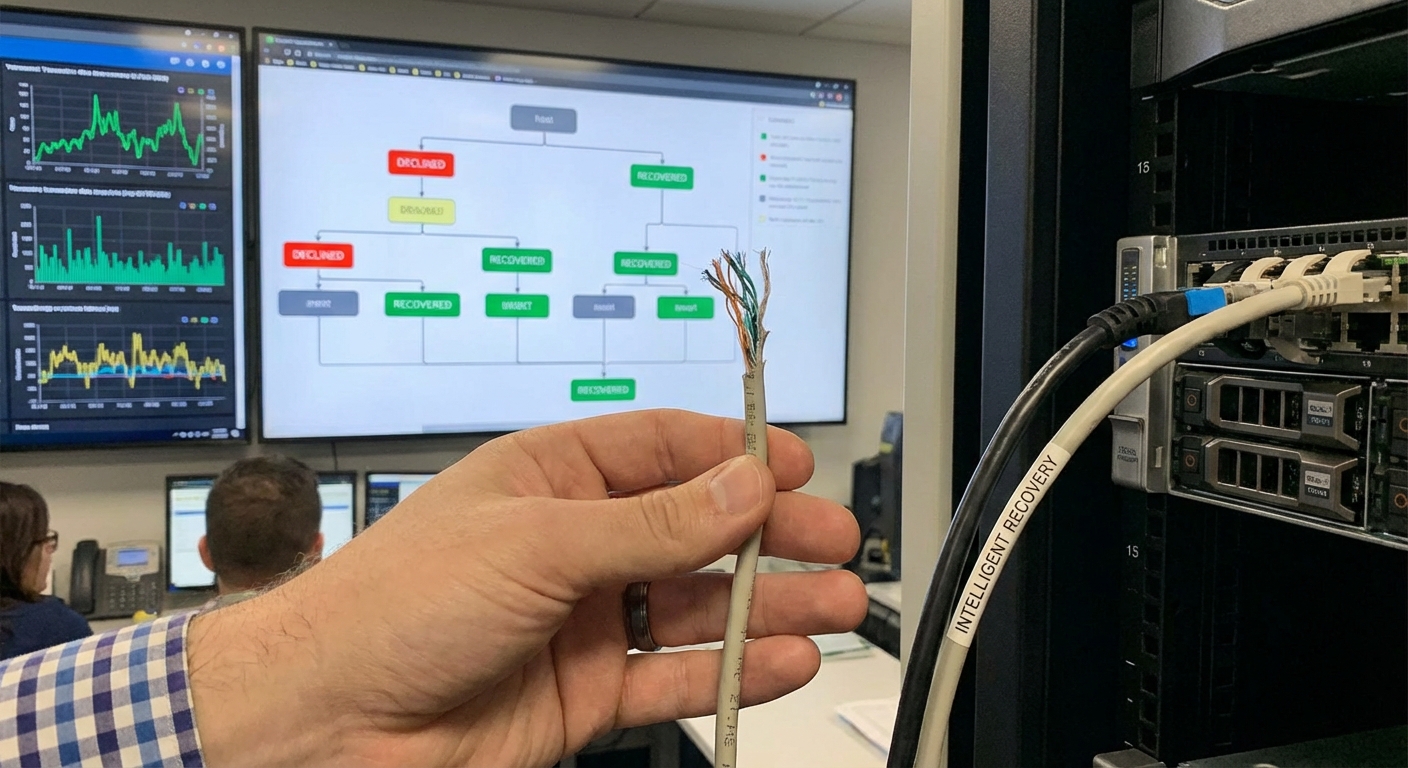
Managing these late-stage declines requires a robust retry logic. If a delayed transaction fails, the merchant must decide how to handle the uncollected funds. This is where modern recovery mechanics come into play. Platforms like SmartRetry specialize in this type of payment recovery, helping merchants automatically evaluate failed transactions and retry failed payments using intelligent routing logic. This helps recover lost revenue and ultimately improves the overall transaction approval rate.
Offline authorization vs Store and Forward
While these terms are occasionally used interchangeably by payment teams, they represent distinct mechanisms in the transaction lifecycle.
True offline authorization is a secure, cryptographic agreement between an EMV chip and a terminal. The card actively participates in the decision-making process and generates a verifiable approval code based on its internal risk counters.
Store and Forward is a simpler, terminal-level feature. In this scenario, the terminal simply records the card details and holds them until a network connection is available. The card itself does not generate a cryptographic approval. Store and Forward carries significantly higher risk for the merchant because there is no local validation to confirm that the card is genuine or that the transaction is safe to accept.
Managing the risks of offline approvals
Accepting payments without an immediate online check requires balancing the customer experience against the potential for lost revenue. Merchants must configure their terminal floor limits carefully to limit their financial exposure.
For example, a metropolitan transit authority might allow a three-dollar subway fare to process offline to maintain foot traffic speed. However, they will require a real-time online authorization for a hundred-dollar monthly pass purchased at a kiosk. Setting these thresholds correctly helps reduce card declines while keeping checkout lanes moving efficiently.
Furthermore, businesses that process offline transactions often maintain local negative lists (blocklists) on their terminals. If a specific card has previously resulted in a delayed decline, the terminal will recognize the card identifier on the next attempt and force an online authorization or reject the tap entirely.
While card-present merchants manage physical delayed declines, the backend resolution logic often mirrors how digital businesses handle subscription payment issues. In both cases, understanding the timing of the authorization and deploying smart retry logic allows merchants to capture valid sales that would otherwise be lost to network constraints.