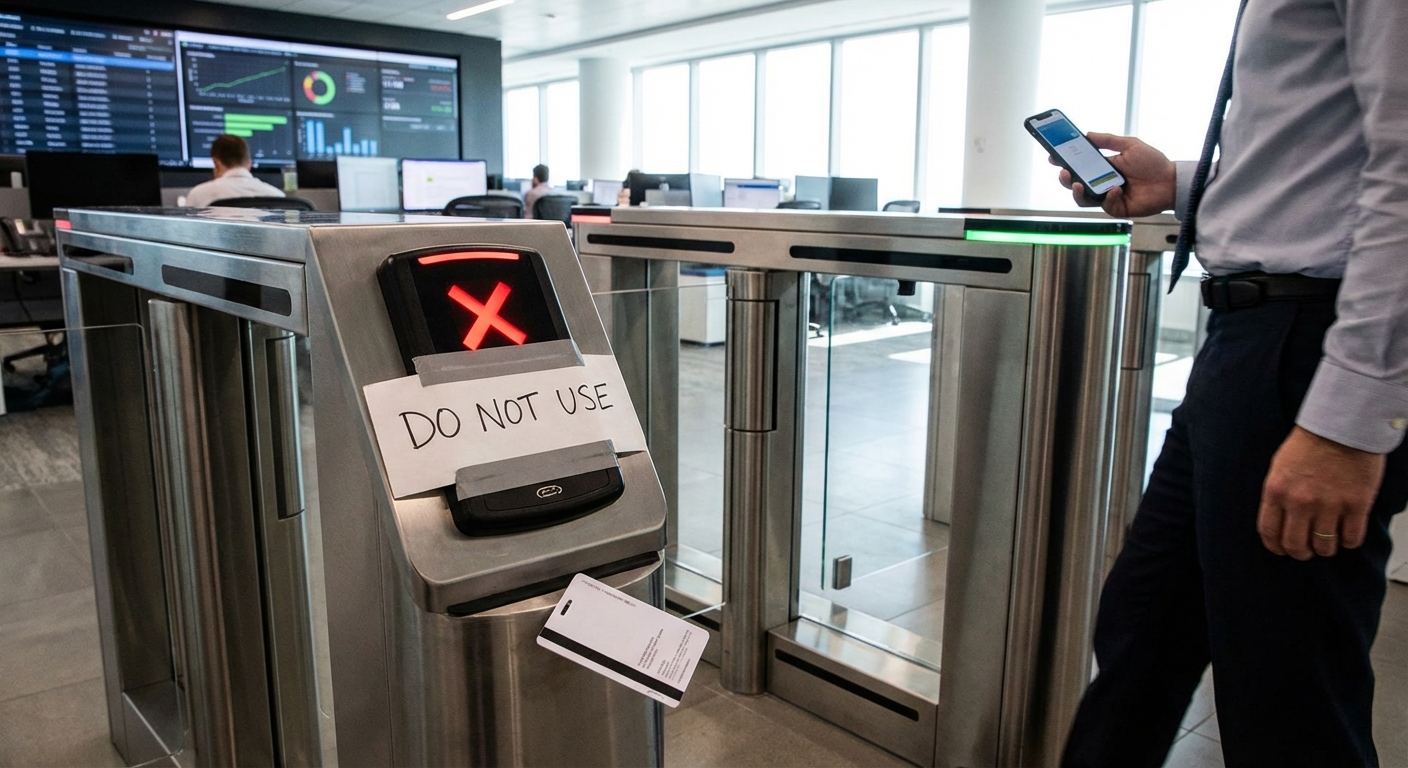
Hard decline is a payment authorization response from an issuing bank indicating that a transaction cannot be approved and should not be retried. This permanent rejection happens when the payment method is fundamentally invalid, such as a closed account or stolen card. Attempting to process the transaction again without new payment information will always result in repeated failures.
A hard decline is a terminal payment rejection issued by a customer’s issuer bank during the authorization phase of a transaction. It appears in the decline code when an issuer determines that the underlying account or card is permanently invalid or compromised. Understanding these responses is critical for merchants because retrying them incurs unnecessary processing costs, damages issuer trust, and wastes opportunities to actively request updated payment details from the customer.
What causes a hard decline?
When a customer attempts a purchase, their issuing bank evaluates the request and determines if the card is valid. A hard decline occurs when the bank identifies an unresolvable defect with the cardholder’s account.
Common reasons for these severe payment failures include:
- Lost or stolen cards that have been flagged by the owner.
- Closed accounts where the user no longer banks with that financial institution.
- Invalid credit card numbers or completely expired accounts that have not been replaced.
- Fraudulent activity where the bank has frozen the account entirely to protect the consumer.
Unlike temporary payment issues, these scenarios cannot be resolved by waiting a few hours or trying again. The payment method is entirely compromised or defunct. While exact response codes vary by card network, merchants commonly see standard codes mapping to these events, explicitly telling the system that the card is permanently dead.
How does a hard decline work in the payment processing flow?
Understanding exactly when a hard decline happens requires looking at the payment authorization lifecycle. The process typically follows a rapid sequence of network hops.
Here is a step-by-step look at how the rejection is generated:
- The customer submits their payment details at checkout, or a recurring billing system initiates a scheduled charge.
- The merchant’s payment gateway encrypts and routes the request through the acquiring bank to the major card networks.
- The card network routes the authorization request directly to the customer’s issuing bank.
- The issuer evaluates the request, detects a fatal issue with the account, and immediately generates a terminal decline code.
- This issuer response travels back through the network to the merchant, signaling a hard decline.
At this point, the transaction is completely halted. The issuer has communicated that the payment method is invalid, and the merchant must stop any further automated processing attempts on that specific card.
Hard decline vs soft decline: What is the difference?
When a transaction declined message reaches your system, it almost always falls into one of two distinct categories: hard or soft. Treating them identically is a common architectural mistake.
A hard decline is permanent. The issuing bank is stating that the account is invalid, closed, or fraudulent. Retrying the same card details will never result in a successful charge and will only generate unnecessary network fees. The only solution is to obtain a new payment method from the customer. See Code 43 Declines: Hard Stops & Approval Protection for an example of handling stolen card declines.
A soft decline is temporary. This response indicates that the card is valid, but the specific transaction cannot be approved at this exact moment. Common triggers include insufficient funds, network timeouts, or processor system limits. Unlike permanent rejections, soft declines are excellent candidates to retry failed payments at a later time. Understanding this distinction is the absolute foundation of any intelligent retry logic. Learn more in Payment Declines: Recovery Tactics & Approval Gains
Why do hard declines matter for payment optimization?
Effectively categorizing and managing declines is a core pillar of payment optimization. If a merchant’s billing system does not distinguish between temporary and permanent failures, it creates significant operational friction and inflated costs.
Continuously attempting to charge a closed account wastes processing fees and negatively impacts your overall transaction approval rate. Card networks tightly monitor how merchants handle issuer responses. If an acquiring bank sees a merchant repeatedly hammering closed or stolen cards, the merchant’s overall processing reputation can suffer. This degraded reputation can potentially lead to lower approval rates even on healthy, legitimate transactions.
By accurately identifying permanent rejections, engineering teams can filter out dead payment methods immediately. This keeps processing ratios healthy and allows systems to focus network resources exclusively on recoverable transactions.
How should merchants handle hard declines?
Once a payment system registers a hard decline, immediate action is required to maintain the customer relationship without triggering useless network requests. The best approach involves pausing automated billing and shifting the focus entirely to customer communication.
In an e-commerce scenario, the merchant should immediately prompt the user to provide an alternative payment method while they are still on the page. Failing to surface a clear, helpful error message during checkout issues often results in abandoned shopping carts. The customer needs to know their card declined so they can simply pull out a different one.
For recurring billing businesses facing subscription payment issues, the system should immediately trigger a notification workflow. This process emails or texts the customer, explaining the payment declined status and asking them to update their billing profile with a valid card.
Advanced payment recovery systems handle this routing automatically. For example, platforms like SmartRetry focus on payment optimization and intelligent retries of declined payment transactions, helping merchants recover revenue and improve transaction approval rates. By accurately reading the underlying decline code, these systems automatically suppress retries on hard declines while actively deploying smart logic to recover the soft declines. This strategic approach helps reduce payment declines overall while keeping merchant processing costs as lean as possible.