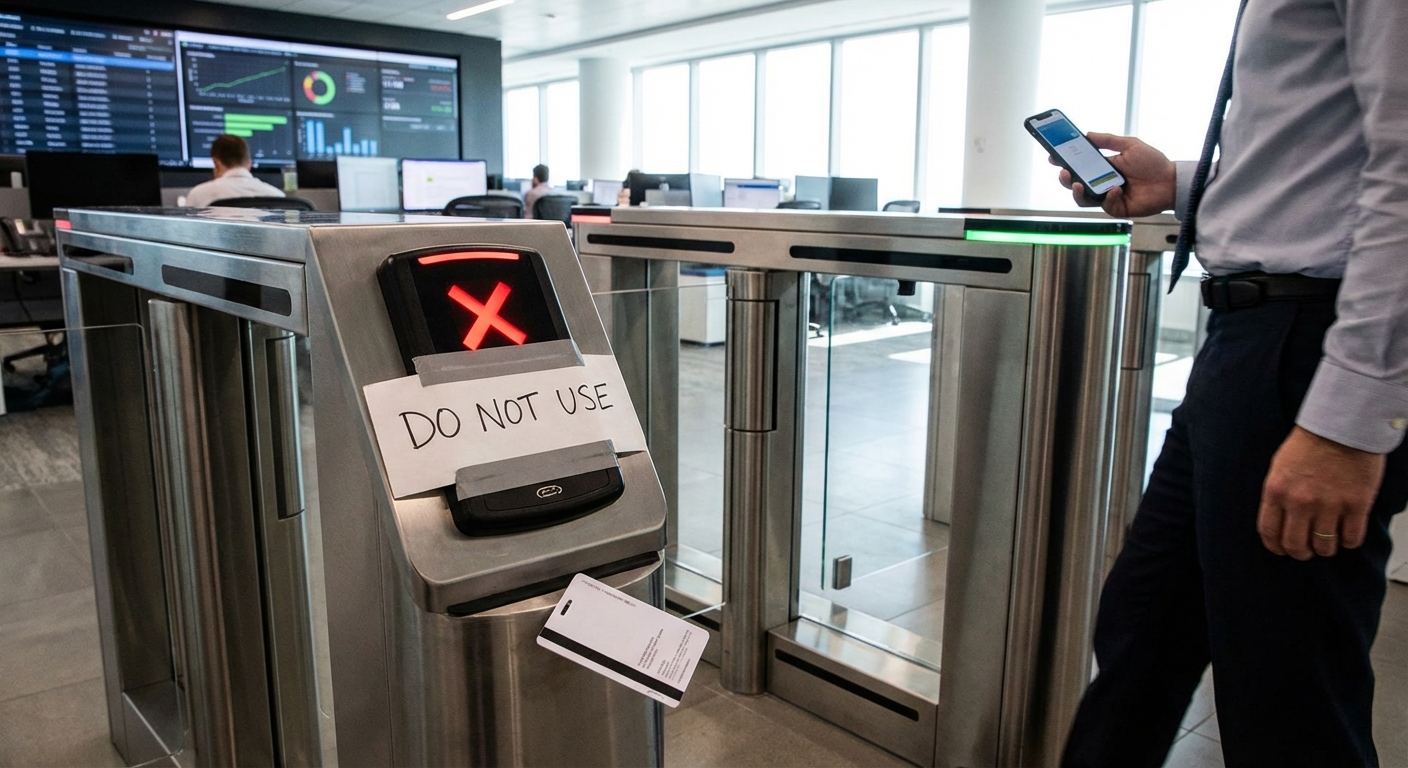
A decline code is an alphanumeric message generated by an issuing bank or payment network to explain why a specific transaction was rejected. These standard codes provide the exact reason behind payment failures, ranging from temporary network errors to suspected fraud. Decoding these responses allows merchants to determine if a transaction can be successfully recovered.
A decline code functions as a diagnostic tool that identifies the precise reason a payment authorization attempt did not succeed. These codes appear at the end of the payment processing flow after an issuer reviews the transaction request and decides not to authorize the funds. Operationally, analyzing these responses is critical for merchants to separate permanent rejections from temporary hurdles, allowing them to deploy intelligent retry strategies that safely capture lost revenue.
What exactly is a decline code?
Whenever a customer attempts to make a purchase, the merchant’s payment system asks the customer’s bank for permission to capture the funds. If the bank refuses the request, it does not just send back a generic rejection. Instead, the bank returns a specific two-digit number or alphanumeric string known as a decline codedecline code.
This code serves as the official issuer response code. It tells the merchant, the payment gateway, and the acquiring bank exactly why the transaction declined. Without these codes, merchants would have no way of knowing whether a payment failed because the customer entered the wrong CVVCVV, the account lacked sufficient funds, or the card was reported stolen.
Understanding these codes is the foundation of any effective payment optimization strategy. By reading the signals sent by the issuer, payment teams can make informed decisions about how to handle the failure and what to communicate to the customer.
How does a decline code work in the payment processing flow?
To understand where these codes appear, it helps to look at a standard payment authorization cycle. A decline code is generated in the final moments of this cycle, acting as the definitive conclusion to the transaction attempt.
Here is a step-by-step breakdown of how a decline code is generated:
- Step 1: Initiation: The customer submits their payment details on the checkout page, or an automated billing system triggers a recurring charge.
- Step 2: Routing: The merchant’s payment gateway encrypts the data and sends it to the acquiring bank, which forwards it across the major card networks.
- Step 3: Evaluation: The issuing bank receives the request and evaluates it against several criteria, checking the account balance, fraud risk, and card status.
- Step 4: The Decision: The issuer decides to reject the charge, selects the appropriate decline code that matches the reason for rejection, and sends it back through the network.
- Step 5: The Response: The payment gateway receives the code and translates it for the merchant, resulting in checkout issues for the customer or a failed authorizationwebhook in the backend system.
What are the two main categories of decline codes?
In real-world payment operations, not all declines are treated equally. Payment engineers and operational teams generally divide these codes into two distinct categories based on their recoverability.
What is a hard decline?
A hard decline occurs when the issuing bank refuses a transaction for a permanent and unresolvable reason. Common hard decline triggers include a closed bank account, a canceled credit card, or a card reported as lost or stolen.
When a hard decline happens, the payment cannot be salvaged. Retrying the transaction will only result in another failure, and repeated attempts can actually harm the merchant’s standing with card networks. The only way to resolve this type of issue is to ask the customer for a completely new payment method. Hard declines represent one of two main categories of payment decline codes operators must understand.
What is a soft decline?
A soft decline indicates a temporary issue that might be resolved if the transaction is submitted again later. Common reasons for soft declines include insufficient funds, temporary network timeouts, or unusually restrictive fraud filters that might clear upon a second attempt.
Soft declines are where merchants have the most opportunity to improve their transaction approval rate. Because the underlying payment method is still structurally valid, a well-timed subsequent attempt often succeeds. To see how insufficient funds scenarios are often resolved via smart retry, read this deep dive on decline code 51.
Why do decline codes matter for merchant operations?
Ignoring decline codes is one of the fastest ways a business can lose revenue and inflate processing costs. When a card declined message hits the system, the merchant’s response dictates whether that revenue is lost forever or safely recovered.
Every time a merchant attempts to process a transaction, they incur authorization fees. Blindly retrying every failed payment regardless of the issuer response will rapidly drive up processing costs without actually increasing revenue. Furthermore, aggressive and poorly planned retries can trigger fraud alerts, leading issuers to flag the merchant and lower their overall authorization rates across the board. For more on the risks of brute-force retries, see The Boomerang Effect: Why Brute-Force Retries Cost More Than They Recover.
By categorizing and reacting to specific decline codes, merchants can also provide better customer experiences. For example, if a code indicates an expired card, the system can automatically email the customer a secure link to update their profile rather than silently retrying a doomed card.
How do intelligent platforms use decline codes to recover revenue?
Handling payment failures manually is impossible at scale, especially for businesses dealing with high transaction volumes or complex subscription models. This is why modern payment teams rely on automated logic to interpret and react to issuer responses in real time.
Platforms like SmartRetry specialize in reading these codes to orchestrate intelligent retries. Instead of using a one-size-fits-all approach, an intelligent system evaluates the specific decline code, the time of day, network behavior, and historical data to determine the exact optimal moment to retry failed payments.
For example, if a platform detects a soft decline for insufficient funds during a weekend, it might wait to attempt payment recovery until Monday morning when direct deposits typically clear. This targeted approach is highly effective for resolving subscription payment issues and helps merchants safely reduce payment declines while keeping their processing costs under control.