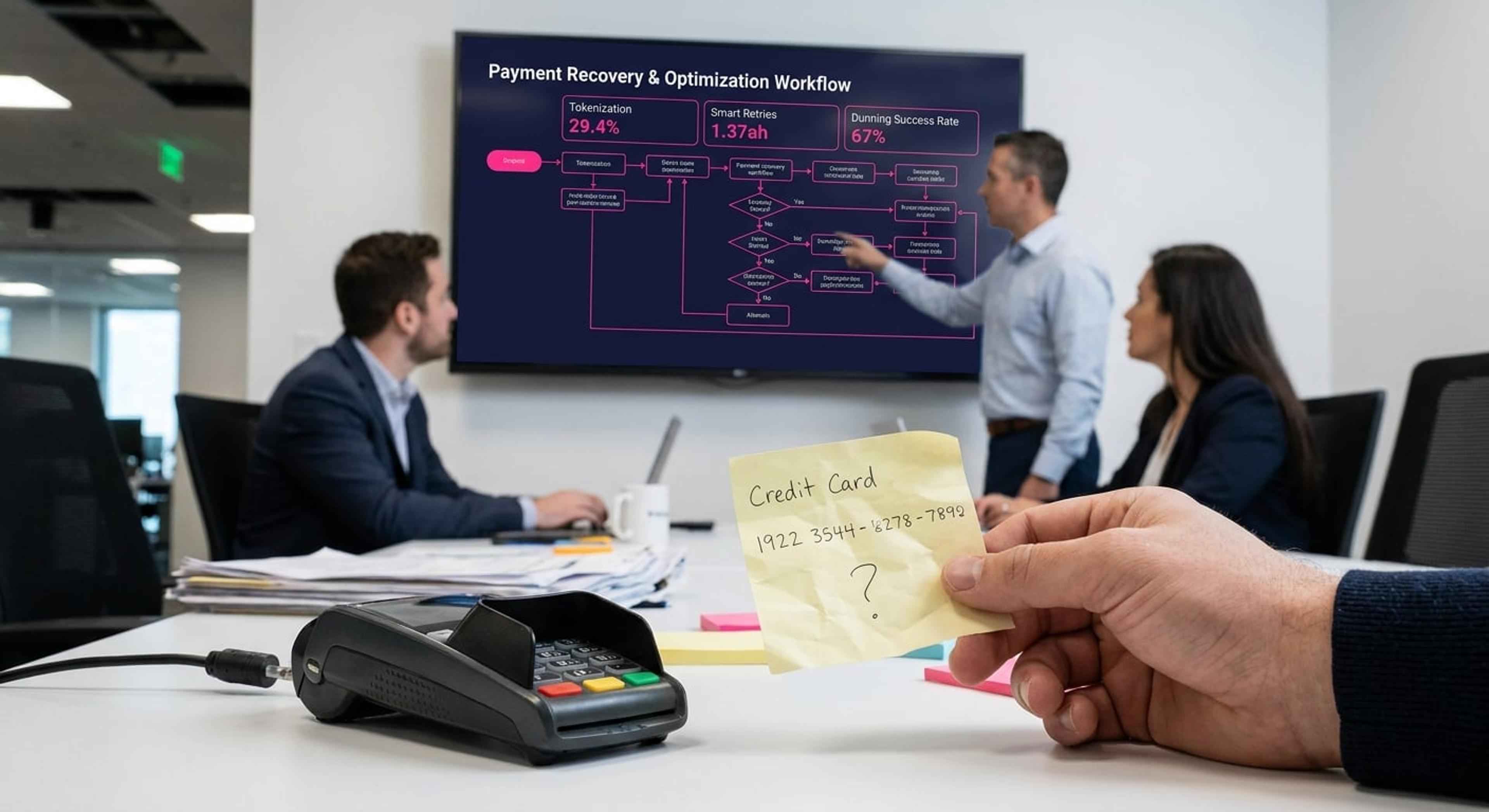
A test card is a simulated primary account number provided by payment processors and card networks to validate payment integrations in a non-production sandbox environment. It passes standard Luhn checksum validation and triggers predetermined authorization, decline, fraud, or authentication responses without moving real funds or contacting a live issuing bank.
How does a Test Card work?
When engineering teams build or update a checkout integration, they configure their application to point to a payment service provider’s sandbox API endpoint rather than the live production gateway. In this isolated environment, submitting a specific credit card test number instructs the processor’s simulation engine to return a deterministic response.
Although the number is artificial, a credit card for test environments adheres to real-world structural rules. It uses a valid Bank Identification Number (BIN) range associated with major card schemes like Visa, Mastercard, or American Express, and its final digit satisfies the Luhn algorithm so client-side validation scripts do not reject it prematurely.
How does a credit card test number trigger specific declines?
Payment processors map specific card numbers, expiration dates, CVV values, or transaction amounts to distinct ISO 8583 or API response codes. One test number always returns a successful authorization, while another reliably triggers a soft decline such as insufficient funds or issuer unavailable. Additional numbers simulate hard declines like stolen cards, expired cards, or 3D Secure authentication challenges. This deterministic behavior lets developers verify how their billing logic, webhook listeners, and retry queues process every possible payment outcome before real customer traffic touches the system.
Why does a Test Card matter for payment teams?
Relying only on happy-path testing leaves merchants vulnerable to unhandled exceptions when real issuers reject transactions in production. Payment gateways expose dozens of distinct decline codes, network timeouts, and asynchronous webhook events that must be mapped accurately in a merchant’s order management and billing systems.
Using comprehensive credit card test cards allows payment operations and engineering teams to verify that soft declines enter automated recovery workflows while hard declines immediately halt recurring billing cycles. If a merchant fails to test card scheme mandate handling in a sandbox, sending subsequent retries on an invalid account in production will generate excessive scheme retry fees and lower overall approval rates.
What are common use cases for credit card test cards?
- SaaS and subscription platforms: Engineers run a credit card test using numbers mapped to insufficient funds and expired card responses to verify that dunning emails, grace periods, and automated retry schedules trigger in the correct sequence.
- Ecommerce retail merchants: Checkout teams use simulated 3D Secure cards to confirm that frictionless and challenge authentication flows render properly across mobile and desktop browsers without causing checkout drop-off.
- Online marketplaces: Platform developers validate multi-party split settlements, delayed captures, and partial refund workflows before onboarding live sellers.
- Digital goods and gaming merchants: Risk teams submit test numbers linked to high-risk fraud scores and CVV mismatches to confirm their velocity rules and pre-authorization fraud filters block bad transactions accurately.
What are best practices for running a credit card test?
- Test specific decline categories separately: Validate both soft declines (such as generic decline or processor timeout) and hard declines (such as invalid account number or restricted card) to confirm your billing engine routes only recoverable transactions to a retry queue.
- Enforce strict environment separation: Block sandbox API keys and known test BINs from ever being deployed or accepted in production environments to prevent fraudulent orders from bypassing live payment verification.
- Simulate asynchronous webhook lifecycles: Use test numbers that trigger delayed capture failures, chargebacks, and network token updates to verify that your backend database reconciles state changes outside the initial checkout request.
- Include edge-case card attributes: Test prepaid cards, commercial corporate cards, and cross-border issuer BINs in the sandbox to confirm your routing rules and surcharge logic handle diverse card products accurately.
How does SmartRetry help with Test Card workflows?
SmartRetry provides a dedicated sandbox testing environment where merchants can simulate complex decline scenarios using processor-specific test card numbers. Engineering and payment teams can validate how SmartRetry ingests raw gateway decline codes, classifies soft versus hard declines, and schedules machine-learning-driven retry attempts before pushing their integration live. Explore the SmartRetry Developer Sandbox and API documentation to test automated payment recovery flows across your existing payment processors.